
Introduction
Virtual reality innovation is a medium of creative expression that allows people to create and interact with an environment as if they were there. The first virtual reality innovation was the stereoscope invented in 1838 by Sir Charles Wheatstone. There are two types of virtual realities. Virtual and augmented. Virtual reality refers to a computer-generated simulation. In comparison, augmented reality refers to a live direct or indirect view of a physical, real-world environment whose elements have been supplemented by computer-generated sensory input such as sound, video, graphics, or GPS data.
Define virtual:
Virtual reality is a computer-generated simulation of an environment.
What is virtual reality innovation?
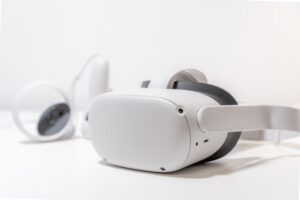
Virtual reality innovation is developing new virtual reality technology or applying existing virtual reality technology in new ways. It uses virtual reality technology to create new experiences or solve problems.
How many types of virtual reality innovations?
There are three types of virtual reality innovations:
- Creative
- Functional
- Perceptual
Describing each type of virtual reality innovation
1. Creative Virtual Reality Innovation:
This type of VR innovation involves creating new experiences that were not possible before. One example is Google’s Tilt Brush, allowing users to paint in a three-dimensional space.
2. Functional Virtual Reality Innovation:
This type of VR innovation involves using VR technology to solve problems or improve existing processes. For example, Walmart uses VR headsets to train employees to operate different machines in their warehouses.
3. Perceptual Virtual Reality Innovation:
This type of VR innovation involves using virtual reality technology to enhance the way people interact with the phone’s environment. One example is Scentee, which allows users to smell different scents corresponding to particular locations on their phone’s map.
Creative Virtual Reality Innovations has further been divided:
It is further divided into three subcategories –
- Artistic
- Educational
- Gaming.
1. Artistic Virtual Reality Innovations:
This category includes innovations related to fine arts such as painting or sculpting in a digital world where they can create art virtually rather than physically. An example would be Google Tilt Brush that uses VR headsets so artists can paint in an immersive space without having to use physical canvases.
2. Educational Virtual Reality Innovations:
This category includes innovative practices that allow for virtual learning, such as visualizing data or exploring a new environment without physically being there. The Body VR is an example of this because it uses immersive experiences to teach users about anatomy and physiology that was not possible before the technology existed.
Learn more about The Impact of Technology on High School Students
3. Gaming Virtual Reality Innovations:
This subcategory deals with all innovations related to gaming, including social interactions within games and other types of entertainment involving video games. One example would be how virtual reality has changed the landscape for online multiplayer gaming by allowing players from around the world to interact virtually instead of just through an audio chat like they previously did.
The following examples fall under each category:
Artistic Virtual Reality Innovation Examples:
- Google Tilt Brush
- Quill by Oculus Story Studio
- Soundstage by Harmonix Music Systems.
1. Google Tilt Brush:

Google Tilt Brush is a virtual reality painting tool that allows users to paint in a three-dimensional space. So with Tilt Brush, artists can paint in an immersive space without using physical canvases. They can choose from various brushes and colors to create their masterpiece. The app also includes features like saving your work and sharing it with others.
2. Quill by Oculus Story Studio:

The tool created by Oculus Story Studio allows users to bring their stories to life with illustrations. So It started as an internal project at Facebook’s Oculus, lateYouTube’sd as a beta on Steam in 2016 for HTC Vive and Oculus Rift headsets.
3. Soundstage by Harmonix Music Systems:

Soundstage is a virtual reality music creation and performance tool that allows users to experiment with different musical instruments in an immersive space. It was created by the Rock Band developers, who realized how It could use VR technology for more than just gaming.
Educational Virtual Reality Innovations Examples:
Body VR
1. Body VR:
The Body VR is a virtual reality application that uses immersive experiences to teach users about anatomy and physiology in a way that wasn’t possible before. It allows users to explore various parts of the human body, such as anGoogle’san X-ray scan, which would not be feasible without using technology like virtual reality headsets.
Gaming Virtual Reality Innovation Examples:
- Fallout VR
- Skyrim VR
- Doom VFR
- Superhot VR.
1. Fallout VR:
Fallout VR is a virtual reality game that allows users to experience the post-apocalyptic world of Fallout. So the game is for HTC Google’s Oculus Rift headsets.
2. Skyrim VRGoogle’sm VR:
Skyrim VRGoogle’sm VR is a virtual reality version of Bethesda’s popular open-world RPG, Skyrim. So it is for PlayStation VR, HTC Vive, and Oculus Rift headsets.
3. Doom VFR:
Doom VFR is a virtual reality game based on id Software’s Doom series. So it was announced at EIII 2017 and for PlFestival’sVR and HTC Vive headsets.
4. Superhot VR:
Superhot VR is an award-winning virtual reality game that challenges players to use time-stopping powers to defeat enemies in an environment full of weapons. So it has been released for HTC Vive and Oculus Rift headsets.
What is virtual reality disruptive innovation?
Virtual Reality Disruptive Innovation is when a new technology or product creates an entirely new market or changes an existing one. Virtual reality is an example of this because it can change how people interact with both their physical and digital worlds.
Examples of virtual reality disruptive innovation
Some examples of VR disruptive innovation include Google Cardboard which made VR available to everyone by using their smartphones as a screen. So Oculus Rift, one of the first headsets to popularize VR, and YouTube’s 360° video platform make it possible to watch videos from any perspective.
- Google Cardboard
- YouTube’s 360° video
- Oculus Rift
1. Google Cardboard:
Google Cardboard was a VR headset that allowed users to experience virtual reality using their smartphones as screens, so making it possible to bring the technology into people’s daily lives.
2. YouTube 360° Video:

It is an example of how virtual reality can disrupt existing markets because YouTube made it possible for anyone with a smartphone and inexpensive headsets to view immersive content from any perspective. It drastically changed how video creators could market themselves online by bringing this type of user-generated content mainstream through posting on one platform.
3. Oculus Rift:
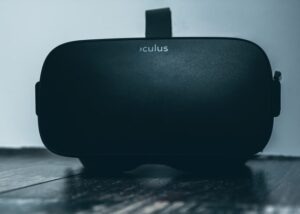
The popularized virtual reality when Facebook bought Oculus in 2014 for $400 million, which helped the company release its first consumer product two years later at GDC 2016. It also gave developers a chance to create more games and experiences for the VR market, which helped it grow exponentially in just a few years.
Read more: Continuous Innovation to Stay Ahead of the Competition
Virtual reality sustaining innovation
Virtual Reality Sustaining Innovation is when new products build upon existing ones by making them better or more efficient. So the example of this would be how Samsung Gear added hand controllers to interact with objects. But In virtual worlds, much like they do in real life, allowing developers to create games where players can swing swords, pick up guns and shoot bad guys directly using motion controls within their living room!
Examples of virtual reality sustaining innovation
Some examples of VR sustaining innovation include Google’s Daydream, making it possible to play more advanced games by using a remote instead of dedicated hand controllers. HTC Vive Pro allows users to use virtual reality technology in smaller spaces without sacrificing quality. Another example would be the Oculus Go because it has all the features of high-end headsets but doesn’t require expensive hardware or tethering cables.
- Google’s Daydream
- HTC Vive Pro
- Oculus Go
1. Google’s Daydream:
Google’s Daydream is a virtual reality platform that It announced in 2016. It is a successor to its earlier product, Google Cardboard, and allows users to experience virtual reality using their smartphones.
One of the main differences between Daydream and its predecessor is that it uses a remote instead of dedicated hand controllers. So it makes it possible for developers to create games where players can swing swords, pick up guns and shoot bad guys directly from within their living room.
2. HTC Vive Pro:
It is an upgraded version of the HTC Vive and features higher-resolution displays, integrated headphones, and a better microphone. Because it is one of the main selling points for the Vive Pro is that it allows users to use virtual reality technology in smaller spaces without sacrificing quality. Since makes it an excellent choice for those who don’t have enough room to set up a large play area as they would need with other headsets like the Oculus Rift or HTC Vive.
3. Oculus Go:
The Oculus Go is a standalone virtual reality headset announced by Facebook. So it doesn’t require expensive hardware or tethering cables as some other high-end headsets do. The Oculus Go has all the features of high-end headsets but can use anywhere. Since it doesn’t require a computer or smartphone, it is perfect for those new to virtual reality and want something easy to set up without needing any extra equipment.
Main Applications of Virtual Reality :
- Medicine
- Culture
- Education
- Architecture
1. Medicine:
Virtual reality has been used in medicine for years. From helping doctors and nurses learn new procedures to using VR as a pain reliever during surgery!
2. Culture:
From virtual reality film festivals like Venice Film Festival’s Virtual Reality Competition or Tribeca Immersive Program, users can watch movies from the director’s perspective to traveling through space with Star-Trek-inspired holodecks such as The Void. This medium is changing how we experience culture today.
3. Education:
Education also benefits significantly from virtual reality technology. Because it allows students who would not usually have access to travel and explore topics that are too expensive or dangerous. So that virtual reality allows students to gain valuable first-hand experiences can use it to get any other way.
4. Architecture:
One of the earliest adopters of virtual reality technology was architecture. So that Architects have been using VR for years to help them design everything from houses and office buildings to entire cities! Walking through a virtual model of their future project can catch potential problems early on in the design process, saving both time and money.
Read more: Innovation in Architecture
The Future Of Virtual Reality:
Virtual reality is still in its early days, and as such, the possibilities foot can use are endless. Some experts believe that VR will eventually become a part of our everyday lives – allowing us to work, learn and socialize in virtual spaces and our physical ones. Only time will tell where this fantastic technology takes us! In the meantime, there are plenty of excellent examples of virtual reality innovation out there for everyone to enjoy.
Conclusion:
As you can see, virtual reality is a medium that is ripe with possibility and innovation. So Virtual reality has been used for medicine, culture, education, or architecture. But VR is changing how we experience the world around us. So with new headsets and applications released all the time, there’s something for everyone to enjoy in this rapidly growing medium.