
Many businesses are looking for ways to create new products that can increase their revenue. Discontinuous innovation is a way to do this by designing a product that is not what the consumer has seen before. To be successful in discontinuous innovation, many strategies and challenges have to be addressed. In this article, we will discuss what discontinuous innovation means, what are the strategies involved, and its examples.
WHAT IS DISCONTINUOUS INNOVATION
Discontinuous innovation is also known as radical and disruptive innovations that create such dramatic change that they transform existing industries or create new ones.
Discontinuous innovation creates an entirely new set of performance features by improving performance by 5 times and significantly reducing cost (30% or more).
In the marketplace, discontinuous advances are frequently defined by a user community that lacks unmet demand or needs that are adequately satisfied in an inconvenient manner, as well as low-end consumers who will accept “good enough” performance at a cheaper price.
RADICAL INNOVATION
The term “radical innovation” is also used to describe discontinuous innovation, which entails a transformation in how you use the product and consume it.
Radical innovations solve a problem or create an entirely new need that can change what people consider to be “normal”.
This means if you are developing a new product then it may be an uphill battle.
DISRUPTIVE INNOVATION
Discontinuous innovation focuses on what’s better, while disruptive innovations focus on what’s good enough for a new market or use case.
Companies should be focused on creating and developing products that will revolutionize their industry by solving unsolved problems to create innovative solutions.
EXAMPLES OF DISCONTINUOUS INNOVATION
There are many examples of what discontinuous innovation can do for a company or industry, here are some examples:
Discontinuous Innovation- Snowboard:
In 1976, a young shaper named Chuck Barfoot made what is considered to be the first snowboard.
It was shaped from an old surfboard and equipped with skis instead of the second set of bindings. Without any knowledge of this new product or idea, he asked around at resorts that he would frequent to see if they were interested.
This is what he said about the potential of his product: “I didn’t think it was that great, but I thought maybe someone else might.”
Snowboarding became an instant hit and evolved into what we know today. Snowboards are now used for skiing as well because people saw what this new technology was capable of.
Discontinuous innovation-Netflix:
Netflix is an example of what can happen when a company is successful at solving a problem that not many people understand.
In 1997, Reed Hastings had the idea to mail DVDs directly to consumers after being fined by Blockbuster for late fees on video rentals. He realized that renting movies was a pain in the ass and he wanted a better way to watch movies which led him to create a Netflix streaming service that has now overtaken its video transaction competitor, Blockbuster Video.
Discontinuous innovation- AirBnB:
In 2008, a desperate designer and his business school friend developed what would become the most popular home-rental service in history. Airbnb disrupted the hospitality sector by connecting users with available accommodations through a website.
They realized that many people had extra space (in their homes) but they didn’t have the money to stay at a hotel.
After this realization, they created what would be one of the most successful sites in history- Airbnb.
Discontinuous innovation-Uber:

Uber is another example of what happens when the company behind a product can disrupt an entire sector by providing what people want- ease. Uber disrupted what was considered common behavior for cab companies known as “call centers” where users would have to call in or physically go into their offices to request transportation. By using what they call “geo-fencing”, Uber can track the location of their users and what they want.
By taking away what was considered a hassle (tracking down transportation), Uber has made it so much easier for people to get around any major city in an instant.
Discontinuous innovation-Playstation:

The first game console to use Blu-ray discs, the PlayStation series has surpassed its rival Xbox due to it being more powerful and cheaper than what Microsoft was offering at that time.
Discontinuous innovation-Music:
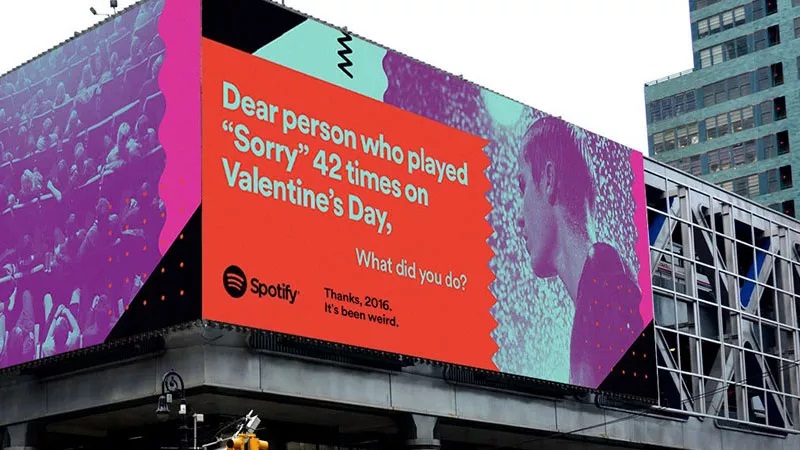
The Apple iPod was the first digital music player that allowed users to download songs directly from iTunes Store, which opened in 2003. This is what gave birth to the idea of streaming services like Spotify and Pandora Radio.
Discontinuous innovation-Television:
-Sony introduced a new High Definition TV, which would be incompatible with today’s broadcasting standards, which would require you to seek out special sources of programming. This is a perfect example of discontinuous innovation because it requires you to change your normal TV viewing behavior.
Discontinuous innovation-Electronics:
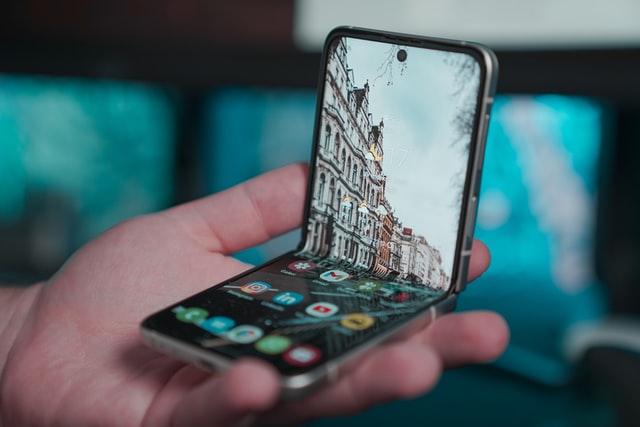
-From Manual to electric typewriters then from dedicated word processors to personal computers and now to laptops and mobile phones.
Discontinuous innovation-Lightening:
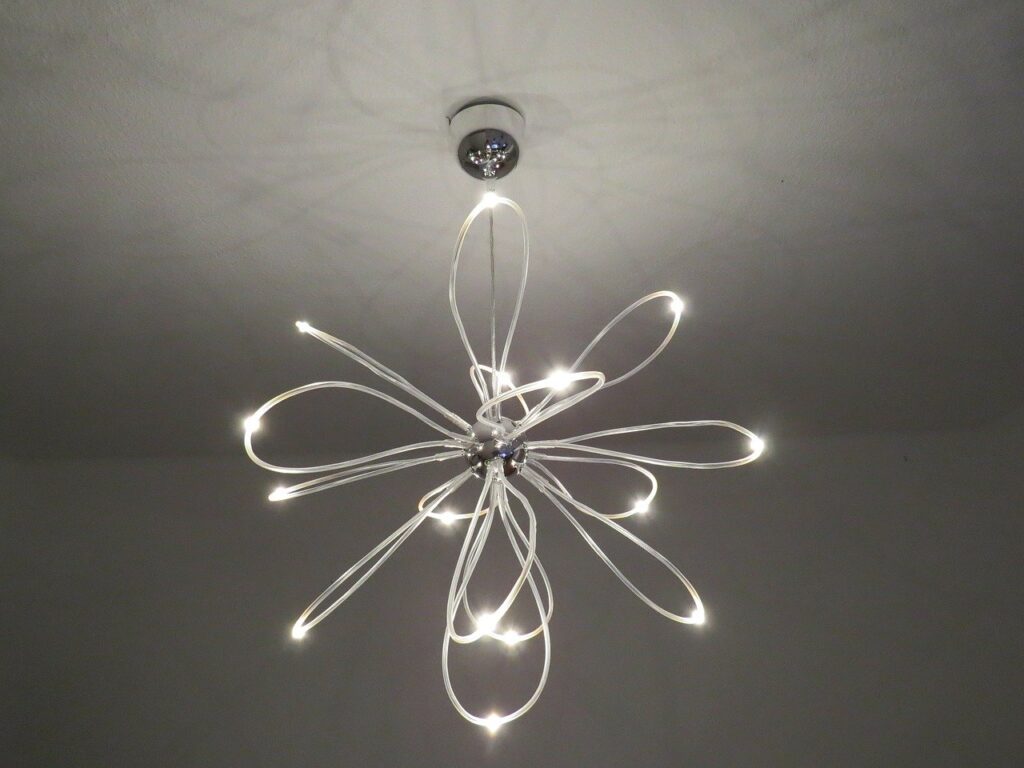
-From oil lamps to gas and from incandescent lamps to fluorescent lamps, then light-emitting diodes (LEDs) to organic LEDs.
Discontinuous innovation-Refrigerator:
In the mid-1800s what we consider a refrigerator was developed, which created an industry that would be recognized today as what is considered normal behavior. In 1876 John Gorrie used compression technology to cool air for his yellow fever patients. A few years later mechanical engineer Alexander Twining developed what we know as the modern refrigerator.
STRATEGIES IN DISCONTINUOUS INNOVATION

There are many strategies involved in discontinuous innovation but here are some of the most important ones:
-Create what people didn’t know they needed:
what you think the customer wants is different from what they want. A good way to find out what customers need and what will make them happy is to ask, observe or read their behavior. It could also be through experimental designs that are connected with statistics which
-Target and go after an underserved customer group or market opportunity:
what you think is a new market, may not be as appealing to customers. It takes some careful research and planning to find out what the market truly wants and how it will benefit from your product or service.
-Build what you have the technology to create:
what users want is not always what they need. It’s best to use your knowledge of what kind of products or services is possible and how it can help customers to bring them a solution that will be seen as discontinuous innovation. This may require you to be close-minded and not what the market wants.
-Getting what you can’t see into the hands of what you think is capable to use it:
some development challenges may not be visible, which require a lot of data analysis and research to properly design what you are designing.
-Limit what people think they want:
it is important to limit what customers have for them to figure out what they truly need and what will benefit their lives the most. This should be done with care because it could also lead to negative effects if not properly executed, which can cause your product or service to fail.
-Go out of what you know:
when working in a company it is easy to get into the mindset that what everyone else does will be what works for others, which can cause your creativity and ideas to stagnate if not utilized correctly. It requires some careful planning through research and analysis but taking chances on what other people don’t want is what creates discontinuous innovation.
-Create awareness of the problem you’re solving to ensure your solution will resonate with those who need or will benefit from it:
what you think is a problem, may not be what others see as one. For example, the idea of providing people with books through downloads wasn’t so appealing back in 2007 because no one was interested or believed that this would work well for them. However, once Apple developed the Kindle and what it meant to read on the go became what people believed was normal, they began to embrace what we know today as discontinuous innovation.
-Make what you can sell
You need to make what people are willing to buy so that your product gains traction in the market. You also need to be able to identify what they will want, not what you assume they should want. This is achieved by conducting thorough research and analysis on what consumers what and what they need.
-Don’t be afraid to fail
If you are going for a new innovative product then there will always be failures involved in trying to get this right. You have to be passionate, dedicated, and persistent so that you can learn from your mistakes and get better at what you do each time. It is also important to take feedback from consumers and what they like or don’t like about the new product.
-Set achievable goals
If you are developing a discontinuous innovation then it is important to set some realistic goals for what exactly your aim of the project is. You should also make sure that what you want to achieve has an impact on what you have already achieved.
-Strategically plan what you want to do next
Your product or service mustn’t just get attention but also has what it takes to sustain itself in the market. You need to be able to identify what will attract clients and how much money could be made from this new idea. Lastly, make sure that what you are offering is what consumers want.
-Never give up on your idea
If you think that what you have created has the potential to be something big, then do not let go of this concept just because it hasn’t worked out in the beginning. Persevere and continue trying until you achieve what was intended for all along.
CHALLENGES IN DISCONTINUOUS INNOVATION

There are many challenges in discontinuous innovation because what you want to achieve is something that has never been done before and it will always be a challenge when going for this product. Some of the common challenges include:
– People’s resistance to change
People are not always willing to try what is new because what they have already tried or what they know works. You need to be able to convince them that what you offer will benefit them and make their lives easier in some way.
-Setting up a trial run of the product
You cannot go straight into developing what you want to do without testing what is going to work. You need to test your product first on a small number of people so that you can see what issues they face and what you need to do before the final release version.
-Lack of information about new materials or technologies
If you don’t have any experience in developing something then you will not know what materials or technologies you need to use which can make the development process harder than it should be.
-Having the product meet standards and regulations
There are legal requirements that your product or service has to abide by so that it can be sold without any legal implications. If what you have created is something new, then this could mean more regulations and standards to meet which might increase the building costs of what you are going for.
-Selling a product that no one needs or wants
You need to make sure that what your offering will benefit people and what is something that they will need and want to use. You should also be able to identify what you expect the sales potential of your product or service to be so that you can market it better through what channels are appropriate.
CONCLUSION
Discontinuous innovation is an important process that has the power to make our lives easier by creating products and services which will benefit people. However, this isn’t always easy because what you are trying to achieve has never been done before or didn’t work out according to eat plan in most cases when using a traditional approach for designing something new rather than adapting from existing designs.
A discontinuous Innovation occurs when there’s enough proof of concept available through research studies proving successful outcomes so they can safely introduce them into production without fear that consumers won’t accept any change.